

Laboratory of Geodynamics
 Web-site of the Laboratory
The Laboratory of Geodynamics was established in 1993. The laboratory’s scientific research is closely linked to the nuclear fuel cycle, as its scientists previously worked at VNIPIpromtekhnologii, a research institute of the USSR Ministry for Atomic Energy.
Currently, the focus of the laboratory’s work aligns with the priority demand of the fundamental scientific research program: "The study of modern geodynamic processes using data on active tectonics and the application of terrestrial and satellite technologies (including satellite geodesy using GPS and GLONASS, seismic monitoring, gravimetry, radar interferometry, etc.) in order to reduce the risk of natural and man-made disasters".
The tasks we address align with the detailed Fundamental Research Plan, effective as of early 2025, under the following sections:
1.5.1. Geophysics
1.5.1.5. Seismology and methods of seismic tomography.
Development of the physical foundations and methods for forecasting earthquakes and their consequences.
1.5.1.6. Study and forecast of natural catastrophic events (earthquakes, volcanic eruptions, tsunamis); assessment of seismic, volcanic, and tsunami hazard.
Development and application of methods for ground-based and satellite monitoring of active geodynamic processes; improvement of methods for their study and numerical modeling.
1.5.2. Tectonics and geodynamics
1.5.2.4. Neotectonics and modern geodynamic processes.
The study of modern geodynamic processes using data on active tectonics and the application of terrestrial and satellite technologies (satellite geodesy using GPS and GLONASS, seismic monitoring, gravimetry, radar interferometry, etc.) in order to reduce the risk of natural and man-made disasters.
1.5.2.5. Mathematical modeling of geodynamic processes.
Development of a methodology for determining the parameters of contemporary crustal movements and deformations in Russian regions.
1.5.7. Mining sciences
1.5.7.3. Development of methods for monitoring the development of hazardous man-made processes; ensuring safe mining operations.
The objective of this research is to conduct fundamental and applied studies aimed at developing new methods, techniques, and algorithms for system analysis, mathematical modeling, and monitoring of contemporary crustal movements using GNSS. This work is intended to identify and prevent natural and man-made accidents and disasters, including those related to the disposal of radioactive waste in geological formations.
Work conducted within the framework of the State Assignment of the Ministry of Education and Science of the Russian Federation, grants from the Russian Science Foundation, and commercial contracts is carried out in three main areas:
- theoretical and experimental substantiation of high-precision observations of contemporary crustal movements using GNSS equipment, conducting GNSS observations at local geodynamic test sites, including deep radioactive waste disposal facilities, studying the relationship and correlation between contemporary crustal movements and deformations with seismicity and volcanism;
- development of new techniques and algorithms, studying tectonic processes at various scales in zones of active orogeny, earthquake-prone areas, and in radioactive waste disposal sites, using numerical methods for mathematical modeling of the stress-strain state of the Earth's crust;
- improvement of methods for systematic analysis of geospatial data and geodynamic zoning to assess the stability of the geological environment along with their experimental verification. Assessment of the geodynamic and geomechanical safety of Class 1 and 2 radioactive waste disposal at the Yeniseisky site of the Nizhnekansk massif, in the area designated for the construction of an underground research laboratory.
Over more than 30 years, our research in geodynamics, geomechanics, and geoecology has found wide practical application at many facilities of the Rosatom State Atomic Energy Corporation, including the underground complex of the Mining and Chemical Combine, the Nizhnekansk granitoid massif, the Kalinin Nuclear Power Plant (NPP), the Novovoronezh NPP, the Rostov NPP, the Radon radioactive waste storage facilities, the Priargunsky Mining and Chemical Production Association’s uranium mines (Krasnokamensk), the Elkonsky uranium mining district (Yakutia), the Karabashsky district (Southern Urals), North Ossetia, and others.
The laboratory staff are actively working within the framework of the Scientific and Educational Center "Geodynamics and Geoecology of the Mineral Resources: Modelling, Prediction, and Monitoring", established on the basis of the Laboratory of Geodynamics of the GC RAS and the Department of Safety and Ecology of Mining at the College of Mining, NUST MISIS. The main goal of the Scientific and Educational Center is to integrate the scientific and educational potential of the GC RAS and the College of Mining, NUST MISIS to achieve world-class scientific results in geodynamics, geoecology, and geospatial data system analysis. This is pursued through joint scientific and educational innovation activities, involving young scientists, graduate students, and students under the guidance of the most productive senior researchers. The Center also aims to consolidate the scientific and scientific-pedagogical community in these fields of science and education.
Work on observations of contemporary crustal movements using GNSS equipment is also underway at geodynamic test sites within the Nizhnekansk massif (Krasnoyarsk Krai) and in North Ossetia.
The main results of the laboratory's 30 years of activity are presented in a booklet and on the laboratory's website.
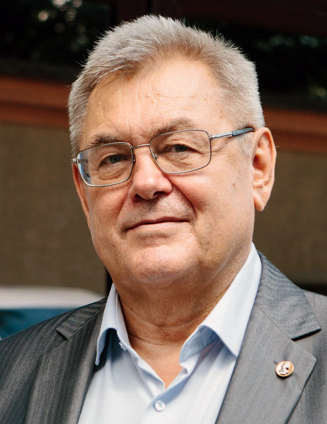 Principal research scientist, Chief, D.Sc.
 Principal research scientist, D.Sc.
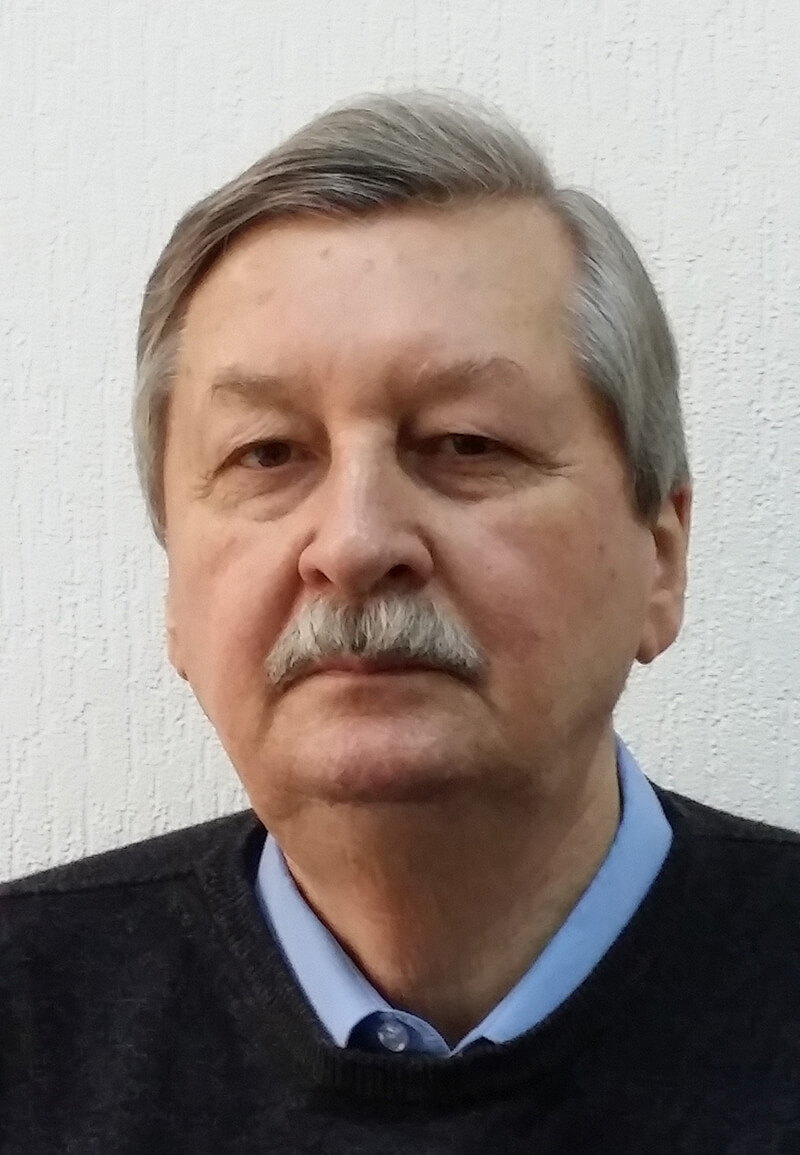 Principal research scientist, Prof., D.Sc.
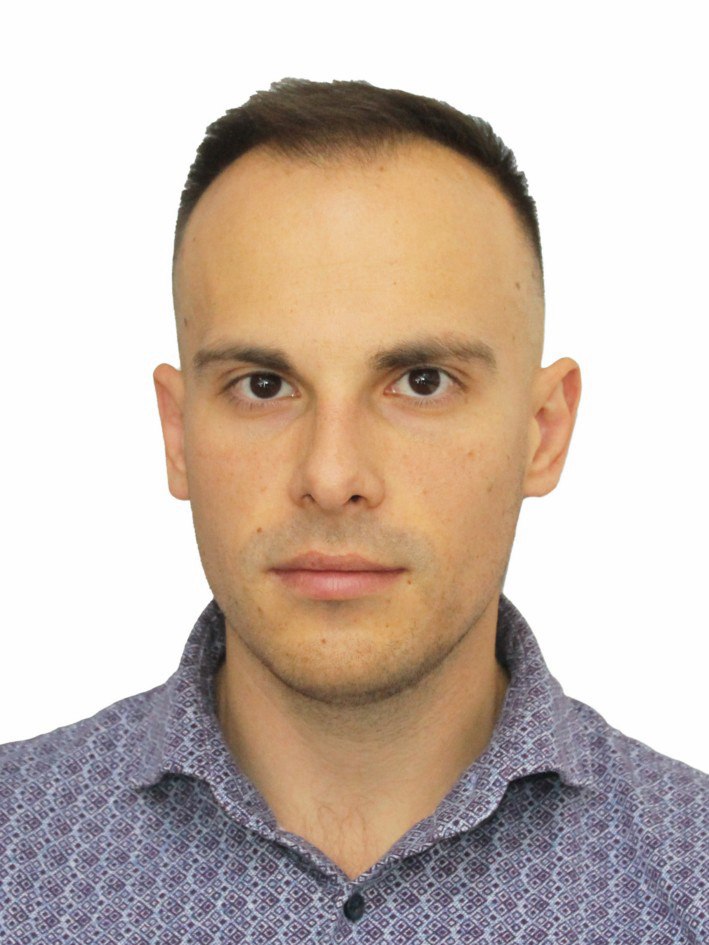 Senior research scientist, PhD
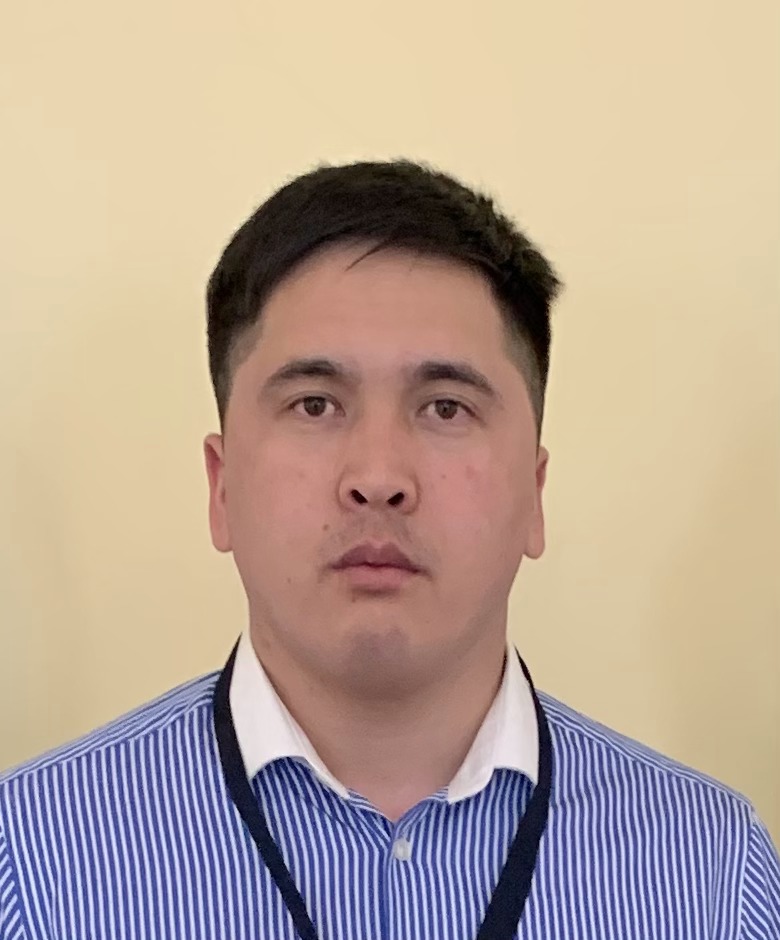 Senior research scientist, PhD
 Senior research scientist, PhD
 Research scientist
 Research scientist